Matter Thermostat Compatibility: Your Checklist
By Grace Osei • 18th Jan
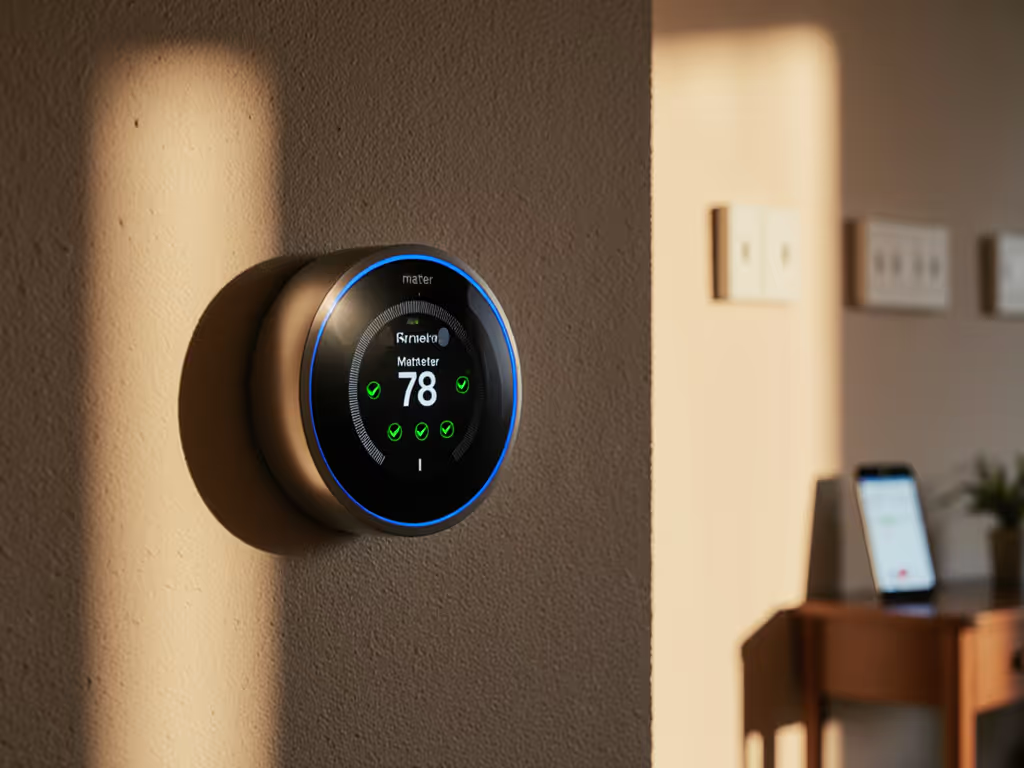
When your tenants start calling about temperature swings at 2 a.m., you realize compatibility isn't just technical, it's a peace of mind issue. As someone who standardized thermostats across a dozen mixed-unit properties, I've seen how the Matter protocol thermostat eliminates platform wars and prevents costly returns. Cross-platform thermostat compatibility through Matter means you're no longer hostage to a single ecosystem's limitations, because your thermostat works reliably with Apple Home, Google Home, and Amazon Alexa out of the box. Fewer 2 a.m. calls is real ROI you can feel.
The Smart Property Manager's Matter Thermostat Checklist
Before you order a single unit, run through this verification process. I learned the hard way that skipping steps leads to returns, tenant complaints, and equipment strain.
1. System Type Verification: Don't Assume Compatibility
Start with your HVAC's identity before checking thermostat boxes. Forced-air systems, heat pumps, boilers, and line-voltage baseboards need fundamentally different control signals.
- Forced-air systems: Confirm single-stage vs. two-stage heating/cooling
- Heat pumps: Verify if you have auxiliary/emergency heat (W2) and reversing valve (O/B)
- Boiler systems: Check if your system uses line-voltage (120/240V) or low-voltage (24V) controls
- Zoned systems: Document your zone control board make/model, many Matter thermostats can't interface with proprietary zone panels
Run this quick-check compatibility audit: Remove your existing thermostat faceplate and photograph the wiring configuration. For a deeper walkthrough of wiring labels, C-wires, and system types, see our thermostat compatibility guide. Cross-reference these letters with your HVAC manual before purchasing anything. If wires are missing labels, test continuity at the furnace control board with a multimeter, never guess.
2. Wiring Reality Check: No C-Wire? No Problem (But Verify)
The #1 reason for thermostat returns? C-wire misunderstandings. Matter thermostats still need power like any smart device, but many offer workarounds: Not sure whether to tackle wiring yourself or call a pro? Start with our DIY vs pro installation breakdown.
- True C-wire present: Ideal scenario (24V common wire connected to furnace)
- No C-wire: Confirm if your model offers a PEK adapter compatibility or supports power stealing
- Power stealing limitations: May cause blower issues on older furnaces, verify with manufacturer
- Line-voltage systems: Absolutely cannot use low-voltage Matter thermostats, this is a safety hazard
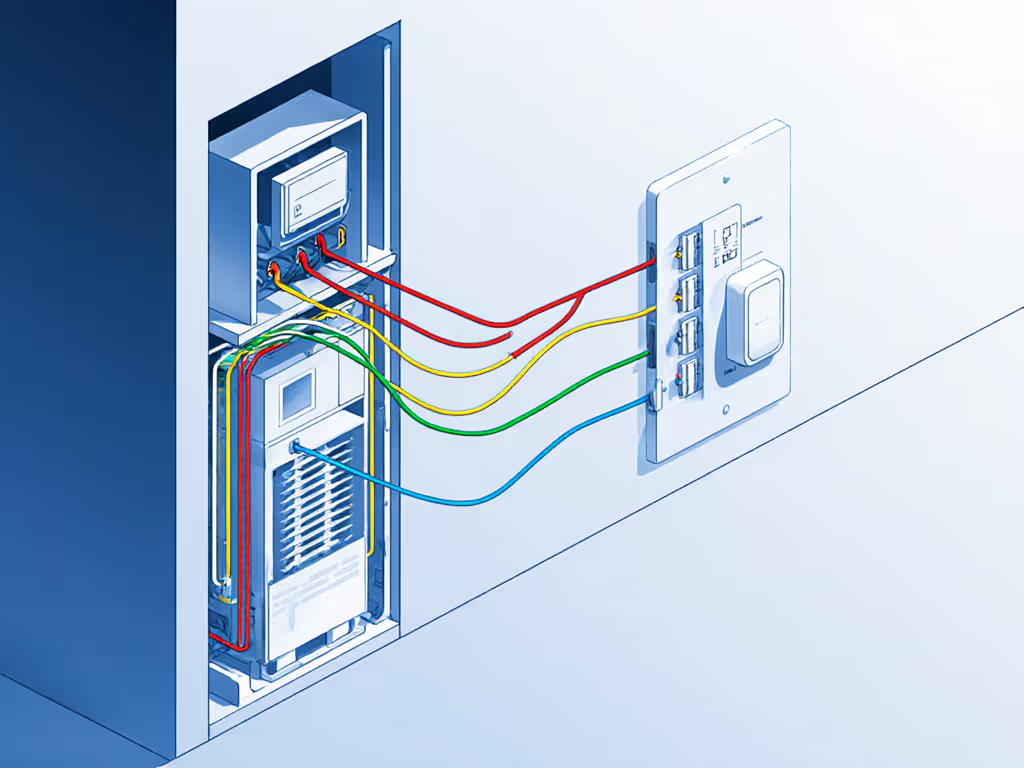
I standardized across my properties only after confirming each unit's wiring during off-hours. When I found a mix of C-wire availability, I selected models that supported both adapter kits and hardwired installations, avoiding future tenant-proof settings complications down the road.
3. Ecosystem Integration: Beyond Brand Loyalty
Matter certification benefits shine here, so your thermostat isn't tied to one platform. But verify actual functionality:
- Check if your preferred voice assistant (Siri/Google/Alexa) supports all thermostat features via Matter
- Confirm local control works during internet outages (critical for equipment protection)
- Verify if remote sensors require additional hubs or work natively via Matter
- Test compatibility with existing smart home routines before bulk purchasing
Matter's true value for property managers is unified thermostat control across different tenant units. If uptime matters across buildings, compare thermostats that remain functional during internet outages with strong local processing. No more troubleshooting why Mrs. Johnson's thermostat works with Alexa but Mr. Smith's requires the manufacturer app. Everything speaks the same language now.
4. Platform-Specific Features: Don't Assume Parity
While Matter guarantees basic temperature control across platforms, special features vary:
- Geofencing capabilities (some require cloud services)
- Scheduling granularity (basic vs. occupancy learning)
- Humidity control integration
- Utility program participation
- Remote sensor support
Always check the manufacturer's documentation for Matter-specific limitations. I discovered one popular model handled basic temperature control via Matter but required its proprietary app for humidifier integration, defeating the purpose of smart home standardization across my properties.
5. Tenant-Proofing & Lockout Requirements
Your thermostat must protect both equipment and your sanity:
- Temperature lockout range: Set minimum 60°F/maximum 80°F to prevent frozen pipes or overheating
- Schedule override limits: Allow temporary adjustments without permanent program changes
- Clear physical interface: Big buttons tenants can understand
- System diagnostics display: Shows error codes without needing app access
This is where my maintenance tips become budget breakdowns: Tenant-proof settings and lockout steps prevent 30% of my service calls. For centralized oversight and tenant controls at scale, see our guide to multi-unit smart thermostats. When installing across 12 units, I prioritized thermostats with physical lockout switches (no app required for emergency adjustments during outbreaks).
6. Future-Proofing: Plan for Upgrades
Multi-platform thermostat integration means your thermostat won't become obsolete tomorrow, but verify:
- Firmware update process (automatic vs. manual)
- Compatibility with potential HVAC upgrades (e.g., heat pump conversion)
- Support for future Matter specification updates
- Availability of replacement parts/accessories
After standardizing across my building, I created a simple cheat sheet for maintenance staff showing compatible replacement models. To reduce obsolescence risk, check our analysis of long-term thermostat support across brands. This ensures future replacements maintain the same lockout-friendly features without disrupting tenant comfort.
Final Verdict: Your Matter Thermostat Decision Framework
Matter solves real pain points for property managers and homeowners alike. Cross-platform thermostat compatibility means buying for your HVAC first, not your smart speaker brand. But don't assume "Matter-certified" equals plug-and-play for your specific system.
Before purchasing, physically verify: your HVAC type, wiring configuration, and special equipment requirements. Run the manufacturer's compatibility checker with your actual wire labels, not assumptions. Confirm tenant-proof settings meet your operational needs before installation.
The right Matter protocol thermostat reduces service calls, protects expensive HVAC equipment, and pays back fast through avoided returns and tenant satisfaction. When I implemented this checklist across my portfolio, tenant complaints about temperature control halved while maintenance predictability improved dramatically.
Buy once, cry once, then sleep. With the right compatibility verification upfront, your Matter thermostat becomes the silent partner that just works, day after day, through every heating and cooling season.
Related Articles